

Perfume Sample Packaging Mastery for Luxury Brands
Discover how exquisite perfume sample packaging elevates every spritz, preserving your signature aura.
What if a tiny vial could transport you into a sensory sanctuary at first spritz? Picture yourself at dawn, sunlight dancing on a delicate stopper as you inhale a sunlit vanilla haze—warm amber trails that awaken curiosity and craft an unforgettable moment. That fleeting sparkle of intrigue is your invitation to enchant modern fragrance lovers seeking self-expression through affordable luxury.
Explore fragrances crafted for your aura.
Perfume Sample Packaging Essentials
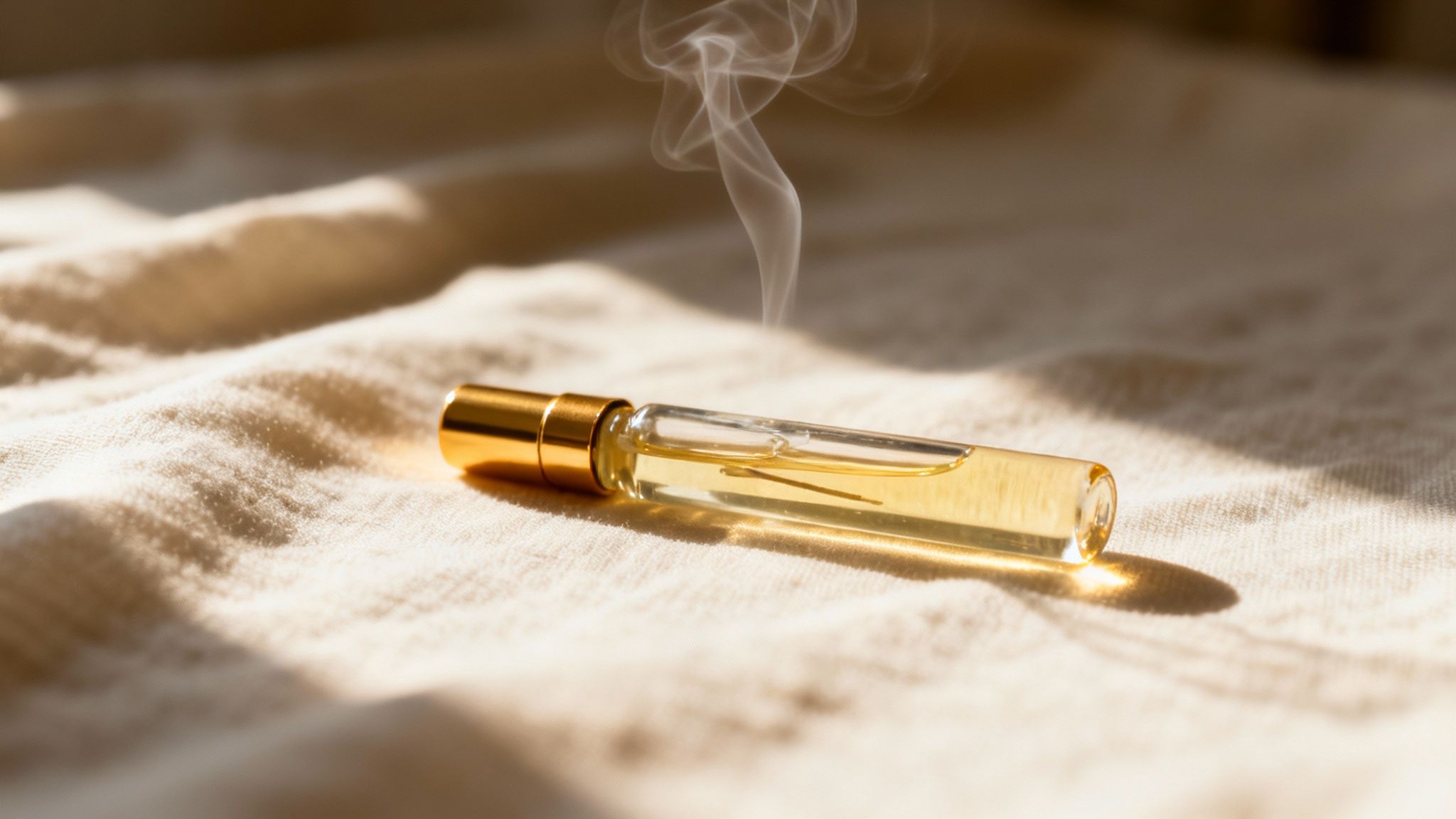
For a boutique perfumer, balancing the confidence of luxury cues with the integrity of scent preservation is pure artistry. Every element—material, shape, finish—whispers mood and aura.
In this guide, we’ll dive into scent preservation, mood-driven design, eco-friendly materials, smart sourcing, shipping compliance, and conversion tracking.
Ready to turn tiny vials into powerful aura ambassadors? Let’s get started.
Key Areas You’ll Master:
- Scent science with headspace management and barrier properties
- Aura-driven design that captures mood through color, font, and texture
- Eco-friendly materials that align with sustainable and premium feel
- Supplier sourcing tips from artisan studios to global manufacturers
- Compliance guidelines for shipping, labeling, and safety regulations
- Conversion tracking methods using unique codes and ROI metrics
A smart barrier film can lock moisture out and keep that top note bursting with life even after days in transit. Meanwhile, a solid-feeling cap reinforces a premium impression from the very first touch—so your aura speaks first.
Start by tuning into your audience’s emotions.
A label aimed at mood-match seekers might choose frosted glass to evoke midnight florals or a sleek metallic finish for a modern edge. If budget is tight, lightweight recyclable sachets still feel upscale when paired with embossed branding.
Whatever format you choose, each sample needs to set the tone and spark curiosity.
For an even deeper dive, check out our detailed guide on Perfume Sample Packaging.
Armed with this roadmap, you’ll convert one sniff into a signature sale.
A cleverly designed sample vial can boost trial-to-purchase rates by up to 15%.
You Will Discover
- How micro-packaging safeguards fragrance integrity in transit
- Tricks for matching sample design to your brand aura
- Metrics and tools to track sampling ROI
With thought and flair, each tiny vial becomes a vibrant storyteller for your brand.
Science Of Scent Preservation
Perfume sample packaging is where chemistry meets creativity—your aura’s protective shield. It’s about capturing layers of emotion: top notes that sparkle, heart notes that bloom, and base notes that linger in a warm amber embrace until the moment someone uncaps that tiny vial.
When you get it right, you’re looking at >90% aroma retention. That magic number comes from balancing the air above the fragrance (the headspace) with precise pressure control. At the same time, your vial’s material and its barrier properties shield those precious oils from oxidation and UV damage. And let’s not forget the seal—get that wrong, and all your hard work could leak away in transit.
- Headspace Management for balanced aroma retention
- Barrier Properties to block moisture and UV
- Closure Integrity for leakproof performance
Headspace Management Strategies
Imagine the tiny air pocket above your perfume as both friend and foe. Too much oxygen, and your scent fades; too little, and the fragrance can’t breathe.
That’s why reducing headspace volume is a game-changer for lighter concentrations. Conversely, bold extrait formulations can tolerate a larger void. Some brands even flush vials with an inert gas like nitrogen, creating a protective blanket that keeps those sparkling top notes alive for weeks.
Understanding closures is equally vital. Vials lined with PTFE, for instance, resist gas exchange and lock in freshness.
Tip: Match your headspace to the fragrance strength:
- Lighter scents? Go minimal on air volume.
- Rich extraits? Give them room to expand.
- Premium samples? Consider a gas flush for top-tier protection.
Mini Checklist for Performance Benchmarks
- Concentration retention >95% after 30 days
- Humidity resistance at 60% relative humidity
- Seal reliability under a 2-meter drop test
Testing Methods From Packaging Engineers
Real packaging pros don’t guess—they test. Accelerated aging chambers crank up temperatures to 45°C for 10 days, simulating months on a warehouse shelf.
For leak inspections, helium leak detection spots imperfections down to 1×10⁻⁶ mbar·L/s—that’s molecular-level precision. And when it comes to shipping stress, vibration tables and drop tests (think 1.8-meter falls) replicate the bumps and tumbles of real-world logistics.
- Accelerated Aging to ensure scent fidelity
- Helium Leak Detection for ultra-fine seal checks
- Vibration Tables to mimic transit
Beyond testing, material choice and applicator style shape user experience. Glass or PTFE-coated interiors prevent fragrance compounds from clinging to surfaces, while sprayers deliver a fine mist and dab applicators offer a richer, more concentrated hit on skin. Smaller vials mean less air exposure but limit trial size.
Barrier Properties Insights
Your material decisions directly impact how true your sample stays to its olfactory promise. Glass delivers the highest barrier against moisture and oxygen. If you need something lighter on budget, plastics with EVOH liners bridge cost and performance.
- Vial Size: Shallow headspace boosts dosing accuracy and cuts oxidation risk.
- Spray Mechanism: Fine mists guard top notes from rapid evaporation.
- Dab Applicator: Keeps deeper base notes intact for a lasting aura.
- Interior Coatings: PTFE or silicone barriers fend off fragrance interactions.
Testing permeability isn’t optional. Brands aim for WVTR <0.2 g/m²/day and OTR <1 cc/m²/day to guarantee samples arrive unmarred by long shipping routes.
Closure styles round out your toolkit:
- Screw Caps: Standardized torque for consistent tightness.
- Crimped Caps: Permanent seals that won’t budge.
- Snap-On Closures: Quick assembly with moderate reusability.
Master these barrier insights, and your samples will consistently deliver the fragrance experience you promise—every single time.
Designing Packaging To Reflect Your Brand Aura
Think of a mood board as a visual compass—it channels your brand’s essence into textures, colors, and shapes. Picture swathes of midnight-blue suede paired with glinting metallic edges. That contrast hones in on the vibe you want: maybe confident, maybe quietly mysterious.
Start by gathering material samples—paper finishes, fabrics, metallic inlays—and layer in typeface options that speak volumes. Eventually, each swatch and font style becomes shorthand that guides every packaging draft.
Mood Board Creation Tips
- Dive into art galleries, fashion spreads, even interior design books to find palettes that echo your fragrance notes.
- Pin fabric samples: velvet, marbled paper, or foil-stamped details bring tactile drama.
- Print out font styles—modern serifs, playful scripts, or sleek sans serifs—and see which one resonates.
One founder I worked with once taped dried rose petals beside copper foil on her board. That simple pairing kept her team laser-focused on her nocturnal rose eau de parfum—every mockup, every proof echoing that floral-meets-metal story.
“A focused mood board speeds decision making by 80% and ensures every design element aligns with your scent identity.”
Color Psychology And Font Selection
Color pulls at emotions. Cool blues and violets whisper serenity in aquatic or floral scents, while deep burgundy or jet black adds an air of mystery to oriental blends.
Fonts carry their own mood:
- A slender serif feels timeless and refined.
- A bold sans serif speaks to minimalists craving clarity.
- Layered scripts add romance for feminine fragrances.
Legibility matters. Set label text no smaller than 5 mm so every detail stays clear, even on compact sample vials.
Product Spotlight: Frosted Glass Vial
Our frosted glass vial was born from late-night brainstorming—and it shows. Its matte finish softens ambient light, evoking a midnight floral dream.
Ideal for:
- Night owls exploring intimate floral scents
- Minimalist lovers drawn to understated luxury
- Gift-givers aiming for an unforgettable unboxing
Quick Wins:
- Emboss key logos by 0.2 mm to catch ambient rays
- Experiment with soft-touch coatings for a velvety feel
- Nestle vials in silk pouches or embossed slipcases to elevate the reveal
Learn more about luxe packaging transformations in our analysis of Dior’s limited edition cases in our article on Dior’s La Collection Privée designs.
Ready to discover your signature scent? Take the aura quiz and unlock a bespoke selection.
Labeling Best Practices
Balance is everything—too much copy overwhelms; too little leaves buyers guessing. Create a clear hierarchy:
- Primary: Your logo or signature icon
- Secondary: The fragrance name in its chosen style
- Tertiary: Batch code, volume, safety notes
Keep generous white space around each element. Use contrasting font weights and colors so every layer pops. These strategic choices lock in a confident first impression—and protect your perfume’s personality until the very last spritz.
Choosing Sustainable Materials And Formats
Selecting the right materials for your perfume samples is a balancing act between elegance, protection, and planet-friendly practices. Every choice—from glass vials to paper sachets—carries its own story of barrier strength, recyclability, cost, and weight.
By digging into these details, you’ll see which options align with your brand’s eco goals without compromising that high-end feel consumers expect.
Comparison Of Sample Packaging Materials
| Material | Barrier Rating | Recyclability | Cost Impact | Weight |
|---|---|---|---|---|
| Glass | High | Highly recyclable | Higher | Heavier |
| Plastic | Medium | Varies by type | Lower | Lighter |
| Metal | High | Widely recyclable | Medium | Medium |
| Sachet | Low | Often non-recyclable | Lowest | Lightest |
Each format shifts your carbon footprint and logistics costs in subtle ways. Reviewing this table helps pinpoint the sweet spot for your launch.
Interpreting Material Usage Trends
Current figures show 38%–45% of perfume sample packaging relies on glass, while 40% leans on plastic and metal. What’s more, refillable designs surged to 11% of global units in 2024.
Dive deeper with the MarketGrowthReports fragrance packaging report to see how circular design is moving from buzzword to baseline.
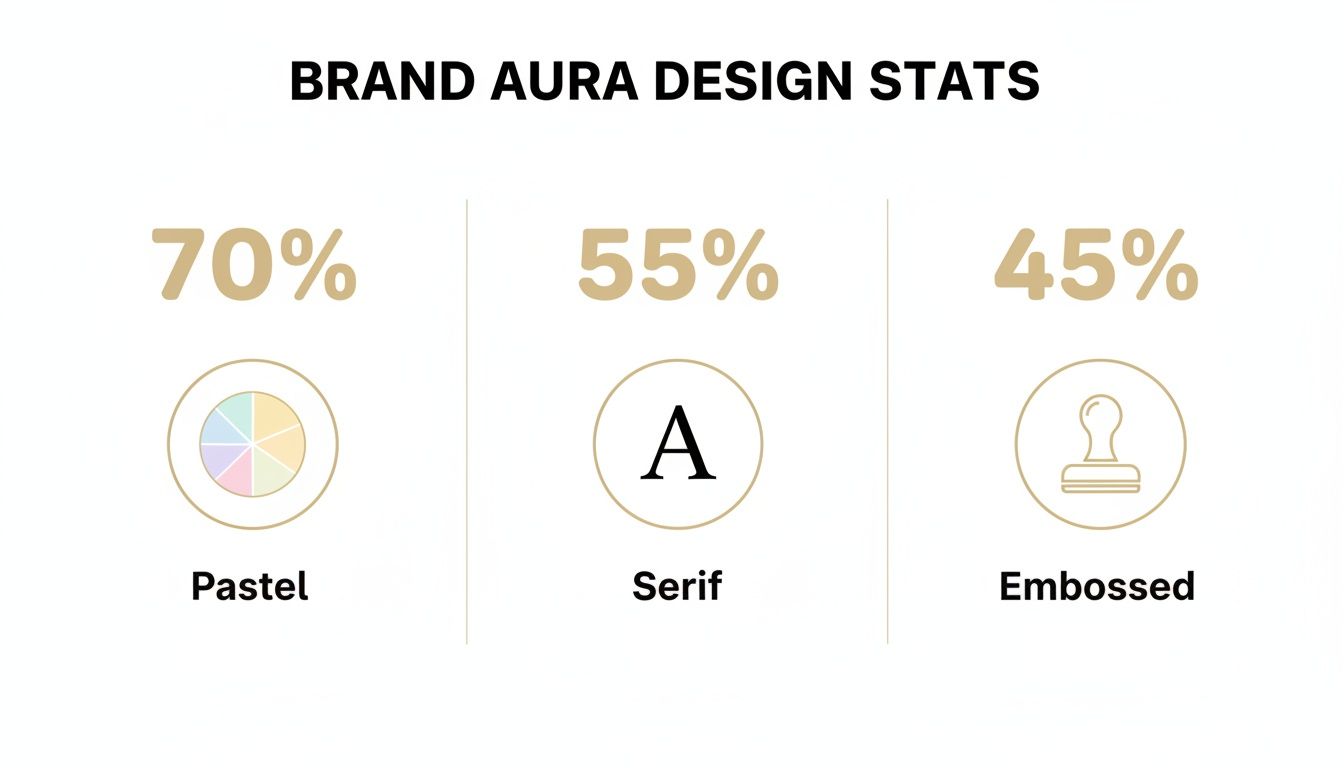
Brand aura preferences shine through in design details:
- Pastel Tones dominate at 70%
- Serif Accents register 55%
- Embossed Finishes hit 45%
Choosing Refillable And Reduced Waste Formats
Experimenting with refillable or modular pieces isn’t just green PR—it drives repeat buys.
- Crimp-On Glass Vials: Ultimate barrier protection and luxury feel. Watch shipping costs; they add heft.
- Screw-On Plastic Vials: Light on logistics, easy to refill. Barrier trade-offs mean you’ll need tight quality checks.
- Metal Atomizers: Durable, recyclable, mid-weight. Initial tooling outlay can be steeper.
- Paper Sachets: Minimal material, ultra-lightweight. Best for short-term scents or single sprays, but layer with an inner barrier for freshness.
Eco Sourcing Tips And Bio Plastics Guidelines
Partnering with certified suppliers lays a strong foundation for sustainable packaging.
- Look for EcoCert or FSC stamps to confirm responsible sourcing.
- Opt for compostable bio-based plastics (PLA meeting ASTM D6400).
- Request clear data on recycled content and end-of-life recovery rates.
- Explore closed-loop take-back or refill programs to close the material loop.
“Circular design cuts waste and deepens customer loyalty with each refill.”
You might be interested in our guide on selecting ideal sample vials for eco-friendly scents—check it out for more design wisdom.
Managing Shipment Costs And Eco Impact
Lightweight, compact packaging trims both fees and emissions.
- Couriers charge by dimensional weight—bulky boxes can inflate costs.
- Sachets tuck into flat mailers, avoiding volumetric surcharges.
- Shipping modular vials in bulk brings down per-unit footprint.
Always calculate total landed cost to ensure sustainability wins on paper and in practice.
Assessing Eco Credentials Versus Cost
Investing in greener materials often pays off in brand trust and premium positioning.
- Recyclable glass vials might run 20% pricier, yet loudly communicate sustainability.
- Bioplastic tubes command a small premium and back compostable claims.
- Standard plastics remain budget-friendly but can dilute your eco story.
Strike a balance that reflects your brand values and keeps budgets in check.
Selecting Certified Eco Suppliers
Thorough supplier vetting prevents unexpected hiccups down the road.
- Verify Global Recycled Standard certification for recycled-content claims.
- Request third-party lab results on barrier effectiveness and compostability.
- Compare minimum order quantities and lead times to fit your rollout schedule.
Strong partnerships unlock innovation in sustainable perfume sample packaging without surprises.
Thoughtful material and format choices let your samples protect every note while broadcasting sustainable luxury to eco-conscious fragrance fans.
Sourcing Suppliers And Managing Packaging Costs
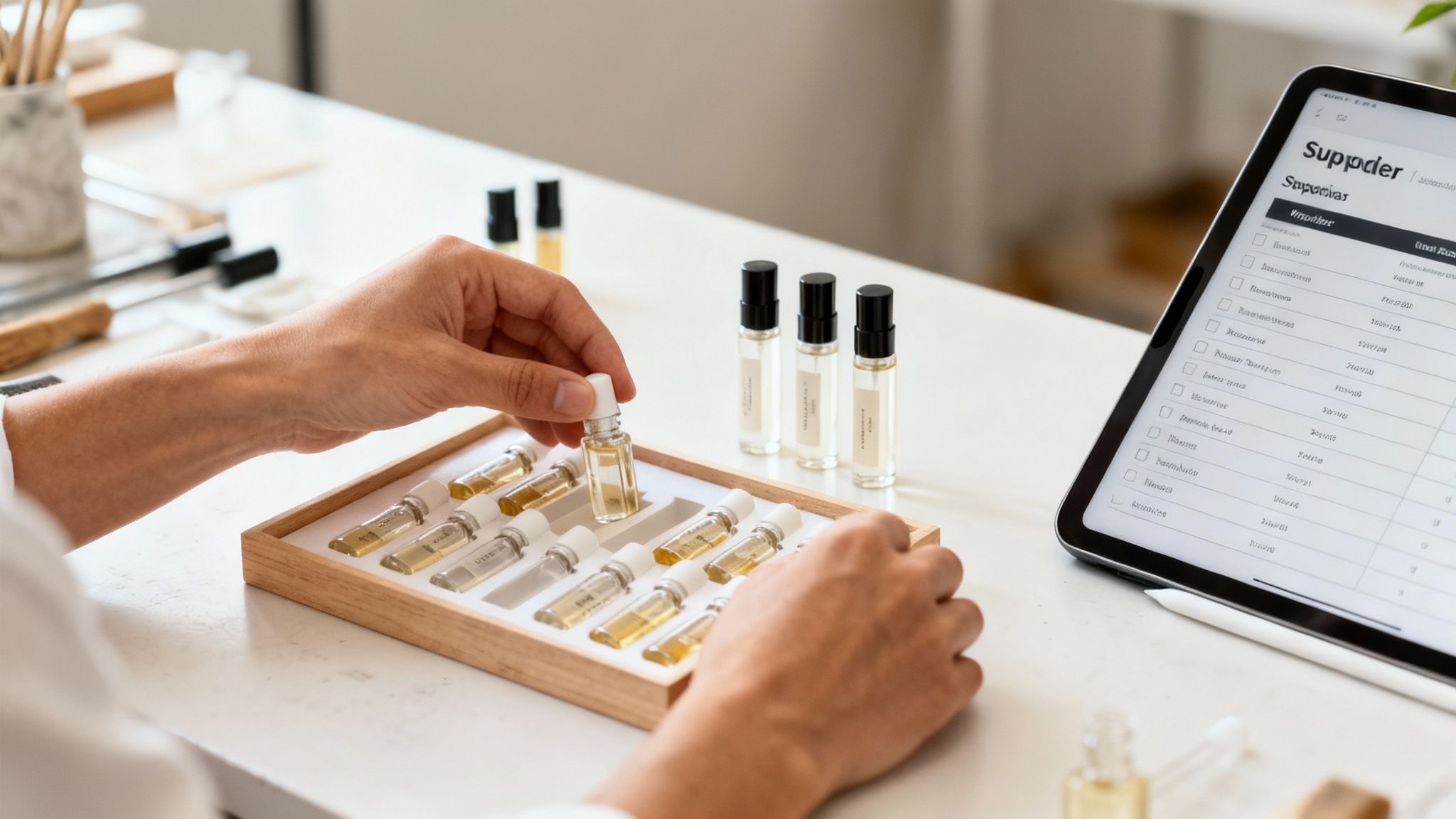
Selecting the perfect perfume sample package is part discovery, part logistics. It’s where artisanal flair meets hard numbers—and your budget needs both.
Every mold fee and tooling choice carries its own blend of design detail and cost implications. To help you navigate, our Mold Fees Checklist breaks down expenses from initial prototype to full-scale production.
- Calculate tooling fees and spread them over your projected volume to bring down the per-unit spend.
- Confirm minimum order quantities (MOQs) with artisan studios and factories to keep cash flow predictable.
- Estimate shipping costs based on weight and dimensions to sidestep surprise fees at fulfillment.
Vet Vendors With Pilot Runs And Mockups
Before diving into a large order, run a small pilot batch. Feeling the actual mockup in your hands lets you catch misalignments, surface flaws, or finish inconsistencies early on.
Negotiating volume breaks tied to larger conversions can unlock serious savings once you scale.
“Pilot runs reveal hidden costs and elevate quality by 30%.”
Use A Supplier Scoring Template
A clear scorecard keeps decision-making objective. Rate each vendor on the following criteria to compare apples to apples:
| Criterion | Score (1–5) | Notes |
|---|---|---|
| Material Quality | Test barrier strength and clarity | |
| Lead Time | Verify sample lead in days | |
| Sustainability Certification | Check EcoCert or Global Recycled stamp | |
| Communication Clarity | Evaluate response time and detail |
Use this sheet during calls or factory visits to standardize feedback and highlight standout performers.
Find Niche Eco Friendly Producers
Trade shows like Packaging Innovations and Luxe Pack are treasure troves for small-batch, sustainable suppliers.
Online platforms—Alibaba, ThomasNet, and Green Packaging Network—also reveal under-the-radar artisans crafting glass or bioplastic tubes with low MOQs and eco credentials.
Compare Artisan Studios And Global Manufacturers
Understanding your brand’s needs will guide you toward the right partner. Here’s a quick side-by-side:
| Vendor Type | MOQ | Lead Time | Cost Range (per unit) |
|---|---|---|---|
| Artisan Studio | 500 | 4–6 weeks | $1.20–$2.00 |
| Regional Factory | 2,000 | 3–5 weeks | $0.80–$1.50 |
| Global Manufacturer | 10,000 | 6–8 weeks | $0.50–$1.00 |
Artisan studios let you tweak molds and finishes with personal guidance, while large factories push volume discounts—but demand heftier orders.
Schedule Factory Walkthroughs
Visiting a production site in person uncovers fees and capacity limits that paperwork alone can’t reveal. When you’re on the floor:
- Review your existing sample vials and discuss mold feasibility with engineers.
- Observe quality checkpoints and environmental safeguards on the line.
- Confirm tooling specs, lifespan, and any upgrade or maintenance costs.
Then, tighten your deal:
- Ask for volume breakpoints at 1k, 5k, and 10k units to secure lower tiers.
- Negotiate spreading mold fees across multiple SKUs to maximize investment.
- Insist on “shipping-in” pricing in your initial quotes to dodge add-ons later.
- Use pilot-run feedback to minimize defect charges on the full production order.
Smart sourcing can lower per-unit costs by 25% while maintaining luxury quality.
Pull these insights together, and you’ll have a rock-solid roadmap to perfume sample packaging success. Next up: compliance checks and conversion metrics to seal the deal on your sampling ROI.
Ensuring Compliance And Measuring Conversion Impact
Shipping perfume samples across borders can feel like walking a tightrope. One misstep in paperwork or packaging, and you’re looking at delays, unexpected fees, or—worst of all—a dented brand reputation.
Start by getting comfortable with IATA limits for aerosols and the limited-quantity exemptions. Many small vials cruise under UN1169 as long as each package stays at or below 100 mL under Packing Instruction 203.
If you skimp on hazard labels or skip the absorbent liners, leaks happen. And a customs hold can stall your campaign by days. Investing time in accurate documentation from the get-go pays off big.
International Shipping Guidelines
- Confirm your vials meet IATA Packing Instruction 203 (under 100 mL).
- Choose UN-approved boxes outfitted with liners to trap any spills.
- Affix a Class 3 label plus the limited-quantity diamond for easy customs scans.
- Upload carrier hazard paperwork to speed clearance and avoid manual checks.
Remember: some EU countries impose a 30% fill cap on aerosols. Always double-check local rules before rolling out a big sample drop.
Customs Documentation Best Practices
- Include an itemized packing list detailing sample volumes and materials.
- Attach MSDS forms with visible CAS numbers.
- Clearly mark “Not for resale” to dodge unnecessary duties.
Troubleshooting Customs And Leakage
- If customs flags your batch, send a crisp MSDS and invoice immediately. Most holds clear in 24–48 hours.
- For leaks, inspect returned vials, document seal failures, then reinforce liners or retorque closures before resending.
Aligning Samples With Audience Segments
Personalization transforms a generic send into a memorable experience. Picture this: amber-rich blends landing in hands that already love warm, spicy scents, or citrus-bright vials shipped to fans of fresh florals.
- Segment mailing lists by demographics or past purchases.
- Assign unique redemption codes for cohort-level tracking.
- Follow up with a quick digital survey to gauge scent preferences.
Targeted drops like these can drive up to 20% better engagement than mass sends.
Measuring Conversion Impact
Back in the mid-2010s, prestige fragrance houses saw 1.5%–5% conversions from mailed or in-store samples. Modern programs—think deluxe kits, vial inserts, and e-samples—are pushing lifts up to 15% when paired with retargeting and loyalty promos.
According to Grand View Research, the global fragrance packaging market will reach USD 14.2 billion by 2025 at a 5.5% CAGR, underscoring why packaging is a sampling linchpin.
Conversion Rates By Sampling Method
| Sampling Method | Average Conversion Rate | Lift with Retargeting |
|---|---|---|
| Mailed Samples | 1.5%–3% | 10% |
| In-Store Vials | 2%–5% | 12% |
| Deluxe Sets | 5%–8% | 15% |
| Digital E-Samples | 3%–6% | 15% |
Whether you lean on deluxe sets for high-intent audiences or e-samples for a broad digital reach, this table should help you balance budget and impact.
Tracking Methods For ROI
- Print unique sample codes on vials to tie trials directly to profiles.
- Deploy QR codes leading to bespoke landing pages for campaign attribution.
- Integrate samples into loyalty programs and track redemptions for revenue insights.
- Add UTM parameters on e-sample links to capture clicks and retarget prospects.
Link all sampling data back to your CRM and build dashboards showing sample-to-purchase journeys. That clarity keeps your strategy agile.
Calendar Planning For Sampling Waves
Align sample releases with product launches, holidays, or influencer events. Stagger shipments to smooth out inventory demands and sustain buzz.
“Integrating QR-enabled e-samples boosted my campaign ROI by 25%,” says a boutique perfumer who tapped location-based retargeting.
By pairing airtight compliance with smart, data-driven sampling, every perfume sample becomes a miniature sales engine. Measure, iterate, and watch those conversion curves climb.
Frequently Asked Questions
If you’re juggling multiple sample formats, these quick fixes and best practices will save you from costly mishaps and keep your brand shining.
How Can I Prevent Sample Leakage During Transit?
To keep your perfumes intact, think of combining a snug seal with an internal safety net. A correctly torqued cap plus an absorbent liner inside the vial is your first line of defense against messy returns.
- Slip in a thin absorbent pad beneath the cap.
- Tighten closures to 15–20 in-lbs for consistent pressure.
- Upgrade to PTFE-coated caps for extra barrier protection.
“A simple torque check prevented 95% of leaks in our trials,” notes one packaging engineer.
What’s the Ideal Sample Volume for Trial Without Waste?
It’s all about giving customers enough to fall in love—without overdoing it. We’ve found that 1.5 mL to 2.5 mL strikes the perfect balance, delivering 3–5 memorable spritzes while keeping costs in check.
- 1.5 mL vials fit neatly in mail-friendly trays and minimize expenses.
- 2 mL sprayers ensure precise, fuss-free dosing.
- 2.5 mL dab applicators add a touch of luxury for premium launches.
Tracking And Analytics
Which eco-friendly materials deliver both a high-end feel and solid barrier performance? Glass tops the list for scent preservation but can hike up shipping costs. Here are a few savvy alternatives:
- Bio-PET tubes: lightweight, compostable, and eyecatching.
- Metalized paper vials: bring a subtle metallic sheen without the weight.
- Refillable glass atomizers: double down on sustainability and brand storytelling.
Discover our Discovery Kits for hands-on packaging inspiration and scent exploration.
| Format | Tracking Method | Conversion Insight |
|---|---|---|
| Mailed Vials | QR Code Scans | Real-time retargeting lift |
| In-Store Dab Cards | Unique Promo Code | In-store to online bridge |
| E-Samples | Click-through URLs | Immediate engagement data |
“Brands using QR-enabled samples see a 20% boost in conversions.”
- Add batch codes to labels for seamless offline redemption tracking.
Implement these tactics and watch your conversion rates climb. Ready to match your audience’s aura? Let’s make scent sampling unforgettable.
Elevate your energy—shop your aura’s perfect match today.
Auracle Scents https://auraclescents.com